

According to Government statistics, there are over 360,000 migrant domestic workers in Hong Kong, accounting for approximately one in seven households. These women, who have left their home countries to work abroad, play a key role in caring for many Hong Kong families, including children and the elderly. Despite their crucial roles, they face unique challenges, particularly concerning menstrual health. Like all women, they experience menstruation each month, which inevitably creates inconveniences in their daily lives and at work. However, menstruation remains a sensitive topic among many migrant domestic workers, often due to cultural taboos and limited access to menstrual education. This raises a critical question: How can we—whether as recipients of their care, employers, or neighbours—foster a more menstruation-friendly environment that ensures these workers feel supported and respected?
Menstrual Health Fun Day
To advocate for menstrual equity and related health knowledge, Hactl partnered with the charitable organisation Free Periods Hong Kong (Free Periods) three years ago to introduce the “Hactl × Free Periods Hong Kong — Be My Buddy Buddy” programme. This initiative aims to promote menstrual equity across corporations, schools, and the broader community.
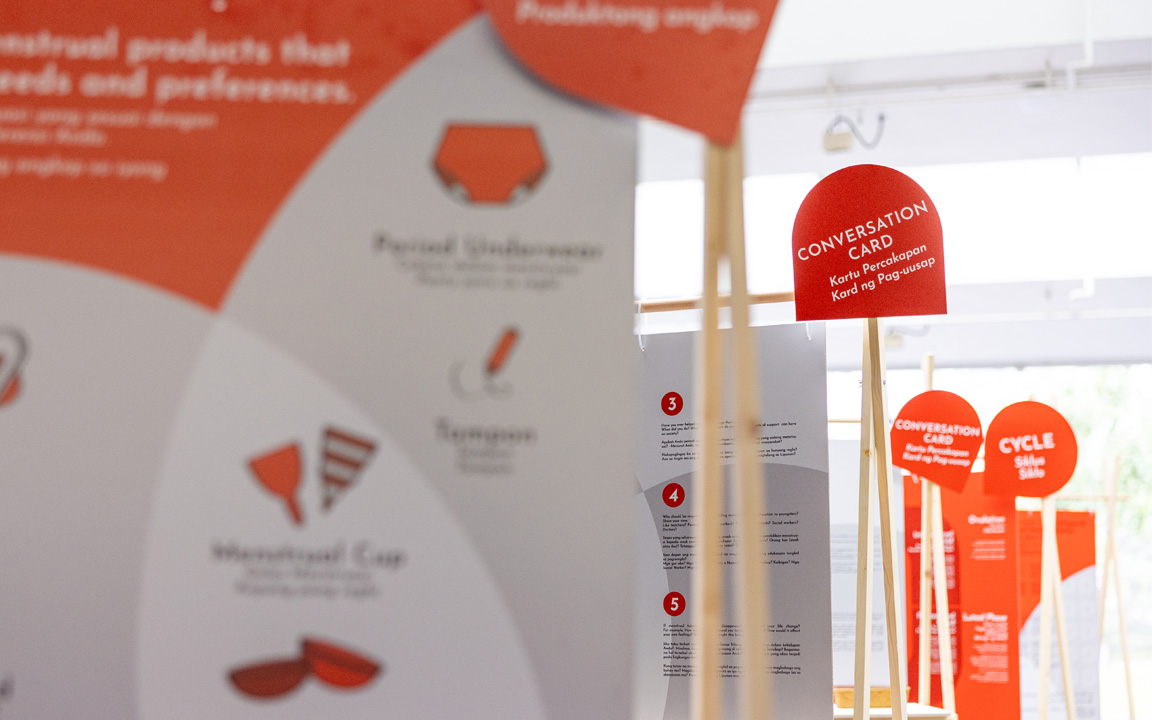
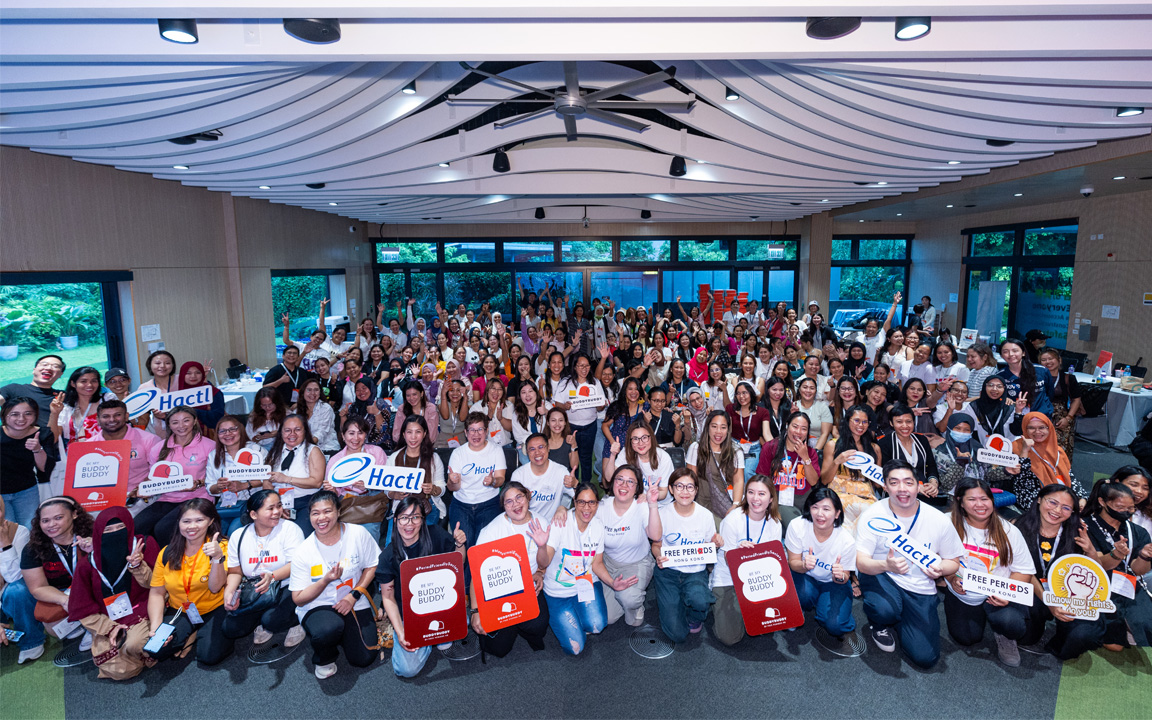
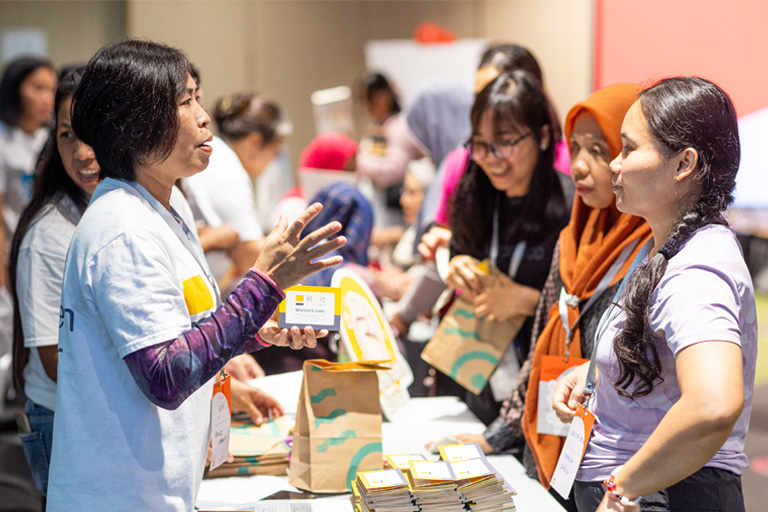
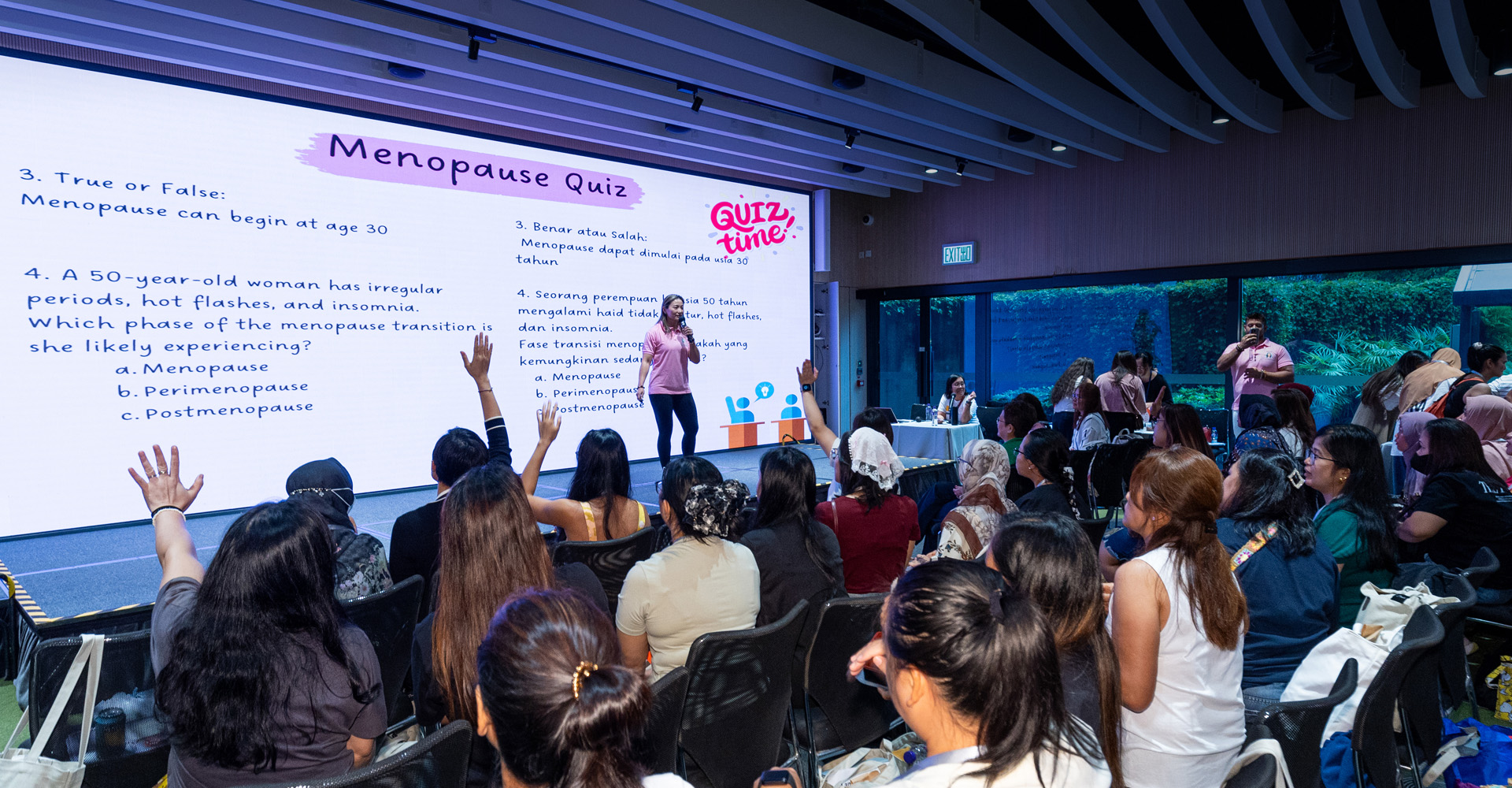
This September, Hactl and Free Periods continued their efforts by partnering with five local non-profit organisations to organise the "Hactl x Free Periods Hong Kong — Be My Buddy Buddy: Menstrual Health Fun Day," aimed at migrant domestic workers. Through activities such as an educational talk, workshops, and exhibitions, the event provided over 200 Filipino, Indonesian and other migrant domestic workers with practical information on topics including menstrual discomfort, reproductive health, menopause, and sanitary products. The event was conducted in English, with Tagalog, and Bahasa Indonesia support available for participants. This Fun Day was the largest of its kind for migrant domestic workers in Hong Kong.
“Menstruation is dirty”
Anik, who grew up in East Java, Indonesia, and has been working in Hong Kong for 19 years, shares: "In rural Indonesia, the elders say menstruation is dirty. Muslim women are considered unclean because of menstruation and are prohibited from praying in mosques." She continues, "Growing up, I didn't have any books or reliable information about menstruation, nor anyone who could teach me about it."
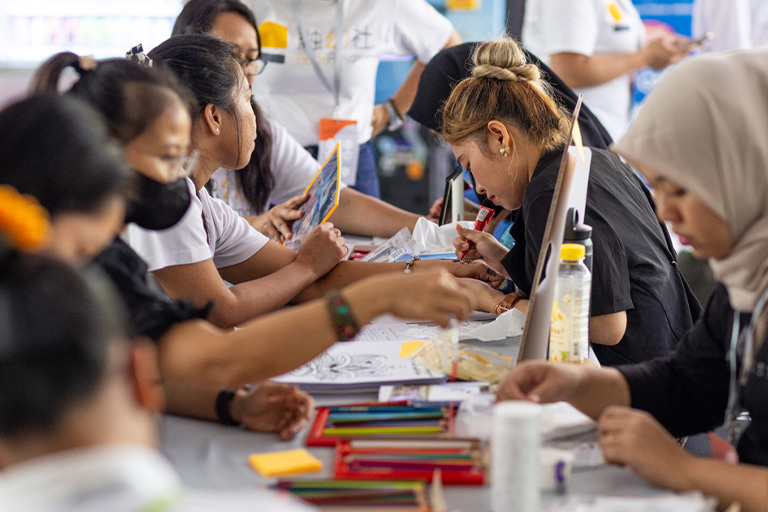
Upon learning about the Menstrual Health Fun Day, Anik volunteered to help assist by translating event materials into Bahasa Indonesia. She remarks, "Through translation, I gained valuable and engaging insights, which inspired me to share accurate information about women's health with the broader Indonesian community."
“Growing up, I didn't have reliable information about menstruation.”
Challenges faced by migrant domestic workers
Zoe Chan, Co-Founder of Free Periods Hong Kong remarks: “Migrant domestic workers often hesitate to request short breaks or reduced workloads due to menstrual discomfort, fearing it may be perceived as unprofessional. Through today’s event, we hope to break society’s stigma, provide practical information and support to migrant domestic workers, and foster collaboration across groups to create a menstruation-friendly workplace for all.”
Idawati, the founder of Women's Journal, is dedicated to advocating for the well-being and rights of migrant domestic workers. She shares a concerning incident where a migrant domestic worker fainted due to excessive menstrual bleeding. However, her employer failed to understand the situation and queried the situation, "All women menstruate, why did you faint?" She emphasizes the need for employers to enhance their basic health education and communication skills, and believes that events like the Menstrual Health Fun Day provide valuable opportunities for employers to learn how to be more supportive and humane in arranging housework and managing workloads.
Idawati also shares her own experience: "I spend hundreds of dollars every month on sanitary products, which is quite a heavy burden for me as a migrant domestic worker. I tried using reusable products like menstrual panties and cloth pads to ease the cost, but I was worried that the smell from washing menstrual blood might raise my employer’s concerns about cleanliness and hygiene, so I stopped using them."
Strengthening communications across groups
Aljen, from the Philippines, is among the founders of the Facebook page "We Talk and We Listen". She and her friends share useful information related to migrant domestic workers, including topics such as labour rights, physical health and mental well-being. She believes that ending the stigma around menstruation depends on ongoing education and collaboration across groups. "I was very surprised to find that Hactl, a large corporation in Hong Kong, is actively promoting menstrual equity — a topic often considered taboo! Hactl is an airfreight company, and I never imagined that such a company would take an interest in these issues." She says the Fun Day has offered a safe space for her and her fellow Filipinas to talk openly about menstruation and connect with women of different backgrounds and ages. "I look forward to sharing what I’ve learnt today with my mother and my niece back in the Philippines, so they too understand menstruation is not a taboo. We should understand and care for our bodies."
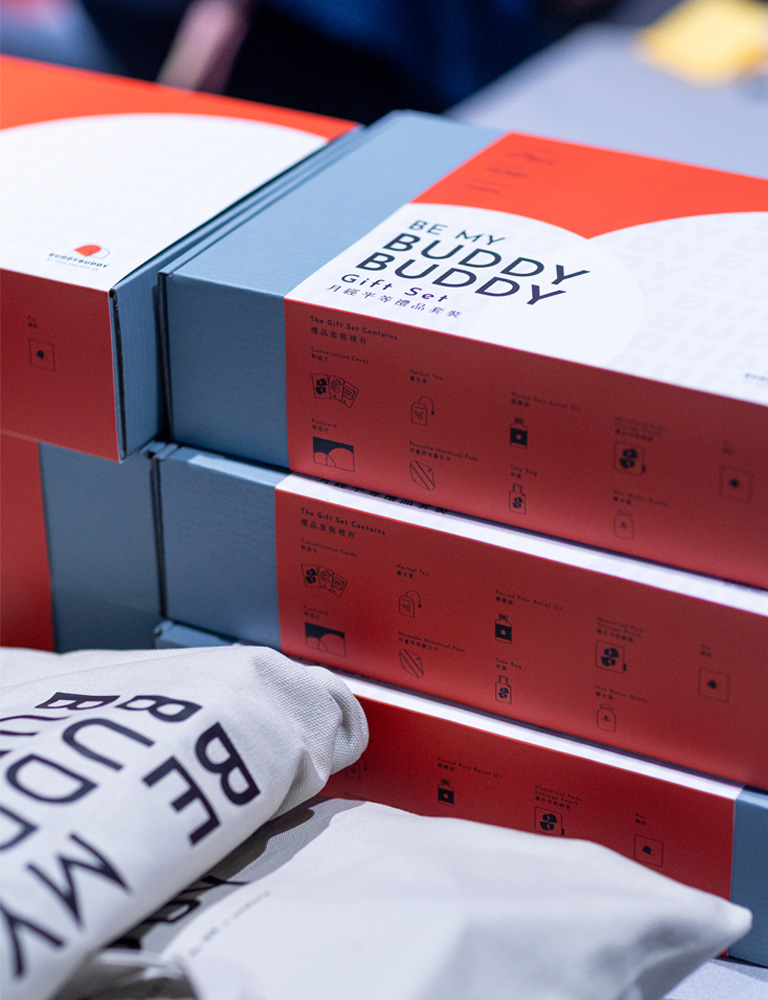
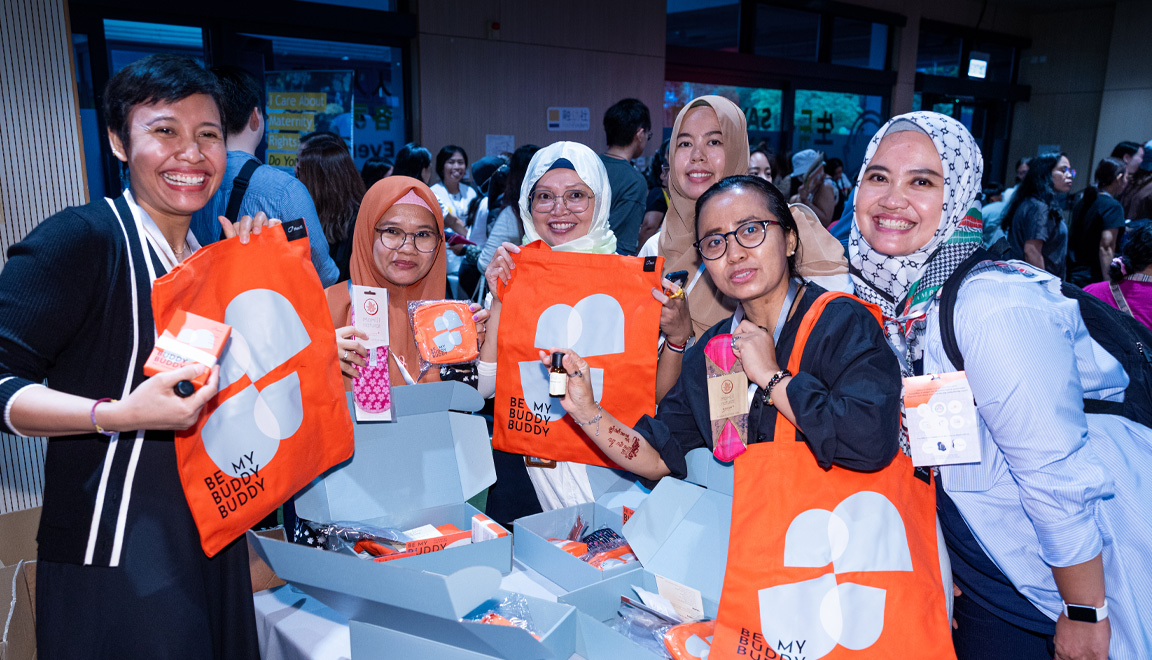
Alexandrea, a Filipino migrant domestic worker who has worked in Hong Kong for 15 years, has worked as a private nurse in the Philippines before moving to Hong Kong. She says: “The Menstrual Health Fun Day is very meaningful, and enables me to share my experiences and advice more effectively with my fellow Filipinas. Through my sister-in-law, who is a teacher, I regularly share menstrual health knowledge with secondary school students in Cebu. I also share my knowledge with my niece via video calls. The information and menstrual products I received at today’s event are extremely helpful. I plan to send the gift boxes back home to Cebu for my family and friends, hoping to enhance their knowledge on menstrual health and promote it forward to other women." She feels very fortunate to have a supportive employer: "When I suffer from menstrual discomfort, my employer would make me ginger tea and red-date tea. She reduces my workload and recommends sanitary napkins suited to my skin type. Menstruation is a natural part of life for women, and it should never be a barrier to education or employment. We must empower women with the tools and knowledge that they need, because every woman deserves dignity and respect during her period."
“I was very surprised to find that Hactl is actively promoting menstrual equity—a topic often considered taboo!”
Enhancing employer education
Sharon Kwok, Learning and Development Officer at Hactl and a member of the "Be My Buddy Buddy" task force, brings a unique perspective as both a mother and an employer of a migrant domestic worker. Her dual role allows her to deeply understand the challenges women face in balancing various responsibilities.
Sharon believes that the contributions of migrant domestic workers are vital to maintaining the stability of households and society. Therefore, it is crucial that their physical and mental health are cared for, and their cultures are respected. She shares, “When my helper first started working for us, she hesitated to share her thoughts. So, I observed her religious rituals and lifestyles, and encouraged her to speak up if she experienced menstrual discomfort. Over our eight years together, I always reminded her where the sanitary products and painkillers were stored, and reassured her not to feel ashamed about her needs.” She feels that the Fun Day once again reminds her how much Hactl cares—not only for female colleagues but for all different groups in society—and makes her want to lead by example, teaching her daughter, who is now studying in secondary school, to understand the importance of caring for others.
Donald Fung, Hactl’s Risk Management and Sustainability Manager, does not currently employ a migrant domestic worker, but was raised by one. "Migrant domestic workers play a crucial role in many Hong Kong families. Many, including myself, were raised by them. Today's event not only support migrant domestic workers but, more importantly, educates employers and their children. While local education curricula include lessons on puberty, the information given today — especially how to discuss menstruation with female colleagues or family members — is not taught in school. Yet, such knowledge is important and practical both in life and at work."
Creating an inclusive society
As a socially responsible company, Hactl will continue advocating for menstrual equity and sharing menstrual health information with diverse groups through various activities. More importantly, it hopes to spread the message of menstrual equity across society via participants’ influence and networks, fostering a more inclusive and supportive community. As Hactl’s Chief Sustainability Officer Amy Lam said at the Fun Day opening ceremony: "Let's break the stigma surrounding menstruation, work hand-in-hand, and talk about menstruation bravely and openly!"